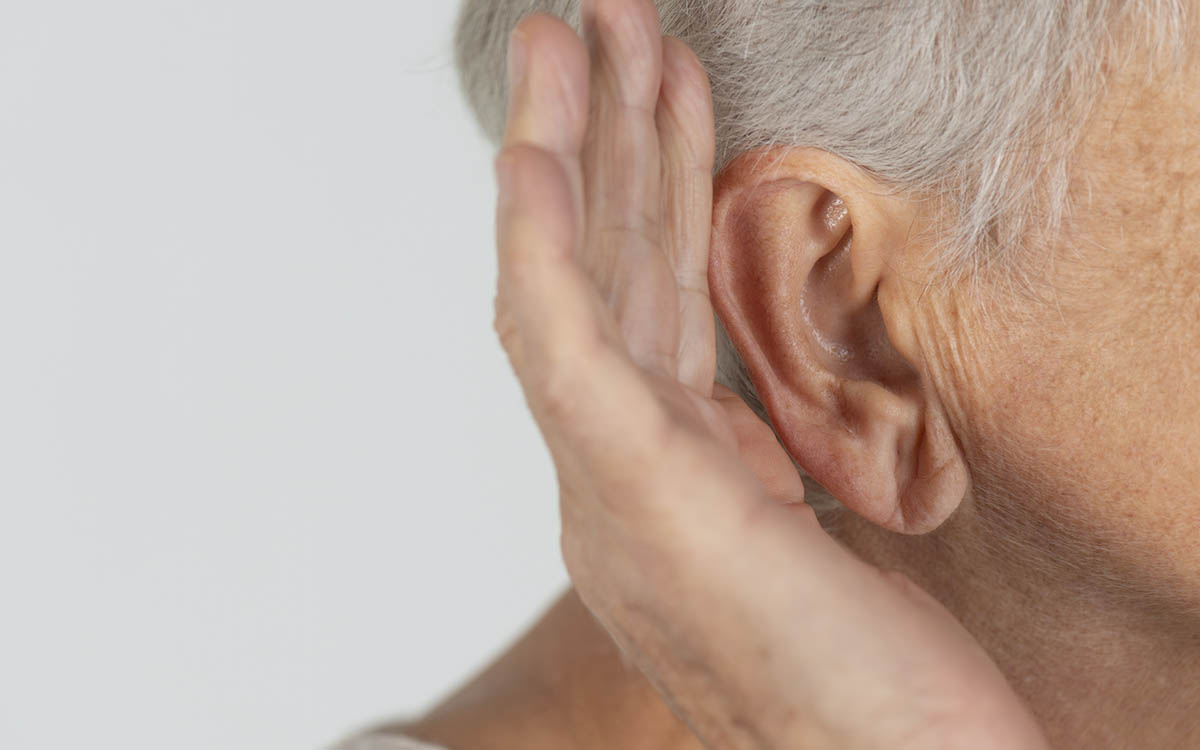
While many individuals correlate hearing loss with getting older, though for a significant portion of the population, auditory trauma initiates much earlier in life. As one of the most prevalent and avoidable types of auditory impairment, noise-induced hearing loss typically progresses slowly, remaining undetected until the damage is irreversible.
Comprehensive knowledge of how chronic noise exposure affects the ears allows for preventative measures before substantial hearing loss manifests.
Establishing the Parameters of Acoustic Injury
Noise-induced hearing loss is characterized by the degradation of intricate inner ear components. According to the Centers for Disease Control and Prevention, sounds above 85 decibels (roughly the volume of heavy traffic) can begin to cause hearing damage with repeated or prolonged exposure. Higher intensity sounds, including those generated by machinery, music venues, or firearms, may result in immediate damage.
Within the cochlea are specialized sensory structures referred to as hair cells. These receptors facilitate the conversion of acoustic vibrations into electrical signals decoded by the brain. Following injury, these hair cells lack the biological capacity to regenerate, which renders noise-related hearing loss an irreversible condition.
Tracking the Accumulation of Ear Damage
A primary clinical concern regarding noise-induced hearing loss is its typically slow rate of progression. Early exposure may cause symptoms like:
- Short-term episodes of Tinnitus or buzzing within the ears
- Subjective hearing attenuation or muffling after high-decibel events
- Difficulty understanding speech in noisy environments
While these preliminary indicators may dissipate, this should not be mistaken for complete physiological recovery. Despite the lack of symptoms, persistent noise exposure causes cumulative injury to the ear, incrementally diminishing auditory acuity and threshold sensitivity.
According to the hearing loss Association of America, nearly 48 million citizens live with hearing loss, many unaware of the underlying cause.
Daily Acoustic Sources That Can Cause Auditory Injury
In our modern environment, individuals often develop a tolerance or desensitization to high-volume sounds. Consequently, the frequency of hazardous noise exposure is often underestimated.
Commonly encountered risks include:
- Venues featuring high-decibel live music
- The use of headphones at unsafe volume settings
- Lawn equipment, power tools, and motorcycles
- Professional exposure to high-volume noise in manufacturing and labor industries
Due to the routine nature of these sounds, auditory injury may accrue in the absence of overt symptoms.
The Critical Role of Preventative Measures
Unlike other health conditions, noise-induced hearing loss cannot be reversed. However, it is highly preventable. Adopting straightforward preventative behaviors can markedly decrease the likelihood of injury, including:
- The application of earplugs or attenuation earmuffs in loud areas
- Modulating audio output levels and observing 60/60 rule constraints
- Taking listening breaks to give your ears time to recover
- Ensuring consistent Audiology check-ups for those in high-noise environments
Clinical Indicators for Consulting Professional Care
If you notice persistent ear ringing, difficulty following conversations, or changes in hearing clarity, you should seek evaluation from a hearing professional. Early assessment is critical for monitoring, education, and the development of protective strategies to help preserve your hearing.
Protecting your ears today helps ensure clearer hearing tomorrow. Environmental sound may be constant, but the development of hearing loss is not inevitable. Contact us to coordinate a comprehensive evaluation and ensure your auditory system is functioning at its peak.