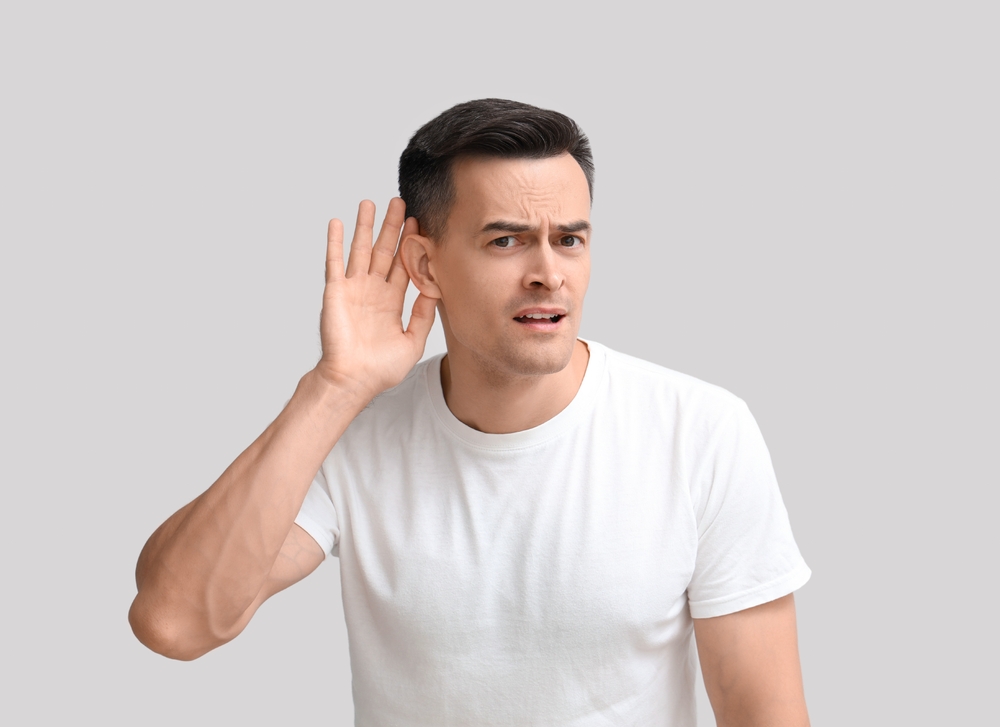
Is it common for you to feel physically and mentally spent after navigating a social environment?
Many individuals mistakenly categorize this depletion as standard daily stress or emotional burnout. Certainly, for those with introverted tendencies or sensory processing sensitivities, social engagement is naturally taxing. Frequently, this specific type of burnout is actually triggered by chronic auditory fatigue.
Auditory fatigue occurs when the central nervous system must expend excessive energy to decode acoustic signals. If auditory input is degraded, the brain must engage in constant phonemic restoration to bridge the gaps in speech. This persistent neurological demand inevitably results in deep mental and emotional burnout.
Most individuals fail to distinguish between localized auditory fatigue and general fatigue. This type of burnout often points toward a functional decline in the auditory system. A comprehensive assessment can help determine whether hearing loss is contributing to your symptoms. Should these symptoms persist, it is vital to discuss the possibility of hearing loss with a healthcare professional.
What Causes Auditory Fatigue?
Multiple variables contribute to heightened cognitive demand during sound processing, elevating the risk of auditory fatigue.
Why Untreated Hearing Impairment Causes Fatigue
Failing to address hearing loss is a major factor in the development of persistent auditory fatigue.
When acoustic signals are incomplete, the brain engages in heavy “top-down” processing to reconstruct speech. The mental labor required for constant speech reconstruction causes energy levels to plummet during social interaction.
How Background Noise Triggers Fatigue
Busy environments can worsen auditory fatigue. Loud public spaces, corporate boardrooms, and large social gatherings typically feature high levels of competing ambient noise.
Processing concurrent audio streams requires the brain to perform intense “auditory scene analysis” to find the primary speaker. This process can create cognitive overload, especially for people with hearing loss (even mild cases).
The Role of Tinnitus in Auditory Fatigue
Chronic tinnitus compounds listening effort as the brain struggles to ignore internal noise while focusing on external speech.
Sound distortion caused by hearing loss can further increase strain, forcing the brain to work even harder to understand speech.
Identifying the Symptoms of Listening Exhaustion
Symptoms of auditory fatigue typically bridge the gap between mental clarity and physical stamina. Patients often present with the following indicators:
- Profound mental burnout after speaking with others
- Inability to maintain attention in multi-person dialogues
- Onset of tension headaches following sustained auditory focus
- A sense of agitation triggered by difficult listening conditions
- Withdrawing from conversations or social events
- Needing a nap or quiet time after social interaction
Frequent presentation of these symptoms is a clear sign of neurological auditory over-exertion.
The Neurology of Effortful Listening
Under optimal conditions, the auditory cortex decodes language with minimal neural expenditure. Conversely, hearing loss forces the brain to redirect energy from other executive functions to assist in sound decoding.
Audiologists and neurologists define this extra effort as a high cognitive load. It’s where the brain redirects energy from other tasks (like memory and focus) to figure out what someone is saying. Over time, this extra effort can leave you feeling mentally depleted. The effort required for even a 10-minute talk becomes disproportionately high.
How a Hearing Test Can Identify the Problem
If auditory fatigue is affecting your daily life, a professional hearing evaluation can help identify the cause. The evaluation process includes mapping your hearing range and measuring your speech discrimination accuracy. Specialized “speech-in-noise” testing is often used to uncover deficits that are invisible during standard quiet-room exams.
A professional assessment confirms the link between your ears and your exhaustion, enabling targeted care. By catching these changes in their infancy, you can implement solutions before they damage your social and professional life.
How Modern Technology Lowers Cognitive Load
The right hearing treatment acts as a “pressure release valve” for the brain’s processing centers.
Advanced hearing aids utilize AI to sharpen speech signals while simultaneously suppressing irrelevant environmental noise. By delivering a clean signal, these devices eliminate the need for the brain to expend energy on reconstruction.
Once auditory strain is reduced, the following areas often show significant improvement:
- A feeling of being more “awake” and present throughout the day
- Ability to follow complex dialogue without drifting off
- A return to enjoying busy restaurants and gatherings
As the brain stops struggling to hear, the world of sound becomes a source of joy rather than a source of stress.
Is it Time for a Professional Hearing Check?
Consider booking a hearing test if any of the following rings true:
- You experience burnout after standard verbal interaction
- Loved ones notice that you frequently require clarification during talk
- You struggle to follow discussions in noisy environments
- You have begun declining invitations because you are tired of the effort to hear
Resolving these issues today ensures a higher standard of living and better cognitive health for the future.
FAQs About Auditory Fatigue
Auditory Fatigue vs. Hearing Loss: What’s the Difference?
Actually, no; auditory fatigue is the cognitive result of the strain, not the physical impairment itself. However, hearing loss is one of the most common causes of auditory fatigue.
Can hearing aids reduce listening fatigue?
Yes—current technology is specifically designed to minimize the cognitive cost of communication.
Can Auditory Fatigue Be Cured?
Most patients find that their energy returns once the listening “gap” is closed with technology.
End Your Struggle with Auditory Fatigue Today
Daily dialogue should not be a source of profound cognitive depletion. Feeling “wiped” after a party is a signal that your brain is struggling to manage its cognitive load.
Begin your journey back to energy by booking a comprehensive hearing test now. Empowerment, confidence, and peace of mind start with understanding what’s happening with your hearing.