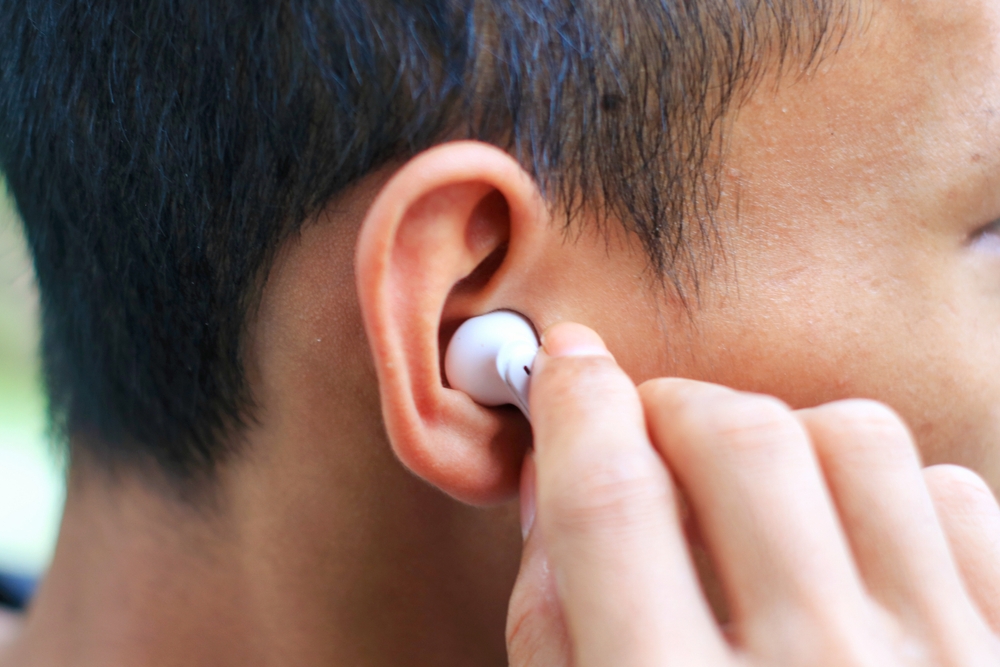
It is increasingly uncommon to observe a young adult in a public setting without an earbud in place. Though over-ear headphones are more bulky, the younger demographic still relies on them for environmental isolation. We all enjoy listening to music, no matter our age, but younger people rely on music to pass the time. Does the immediate physical closeness of these transducers to our ears result in measurable hearing loss? Clinically speaking, the hardware is not the culprit; rather, the risk lies in human behavior and exposure levels.
The Biological Threshold of Auditory Exposure
Listening to music can be relaxing, soothe our souls, or wind us up. Depends on the music. Personal audio tech provides a convenient way to consume media without infringing on the silence of those nearby. That’s a positive thing, and most people will tell you that they are grateful and prefer that on a train or bus.
From an audiological perspective, we must define the specific thresholds for safe volume and exposure duration. The truth is, loud noise in general is damaging to your ears and your hearing. When you listen for too long a time and at a very loud volume, you can irreparably damage your hearing. The onset of **Noise-Induced Hearing Loss** is insidious, meaning significant damage often precedes clinical awareness.
Why Earbuds Pose a Unique Threat to Hearing Health
Sound pressure level is the primary variable in the development of **NIHL**. Despite this, the cumulative hours of exposure are just as dangerous as a single loud blast.
- According to the NIH, maintaining a threshold below 70 dB ensures safety, even during extended listening periods.
- Louder noises will cause hearing damage faster than quieter sounds.
- To protect your ears, utilize the 60/60 guideline: never exceed 60% power and rest after 60 minutes of use.
- Ensuring long-term hearing health requires a proactive reduction in volume and strict limits on listening time.
Indicators That You May Need a Hearing Evaluation
If you notice muffled speech, struggle with background noise, experience **tinnitus**, or constantly require others to speak up, a professional evaluation is necessary.
Reach out to our care team immediately if you are concerned about your current hearing sensitivity.