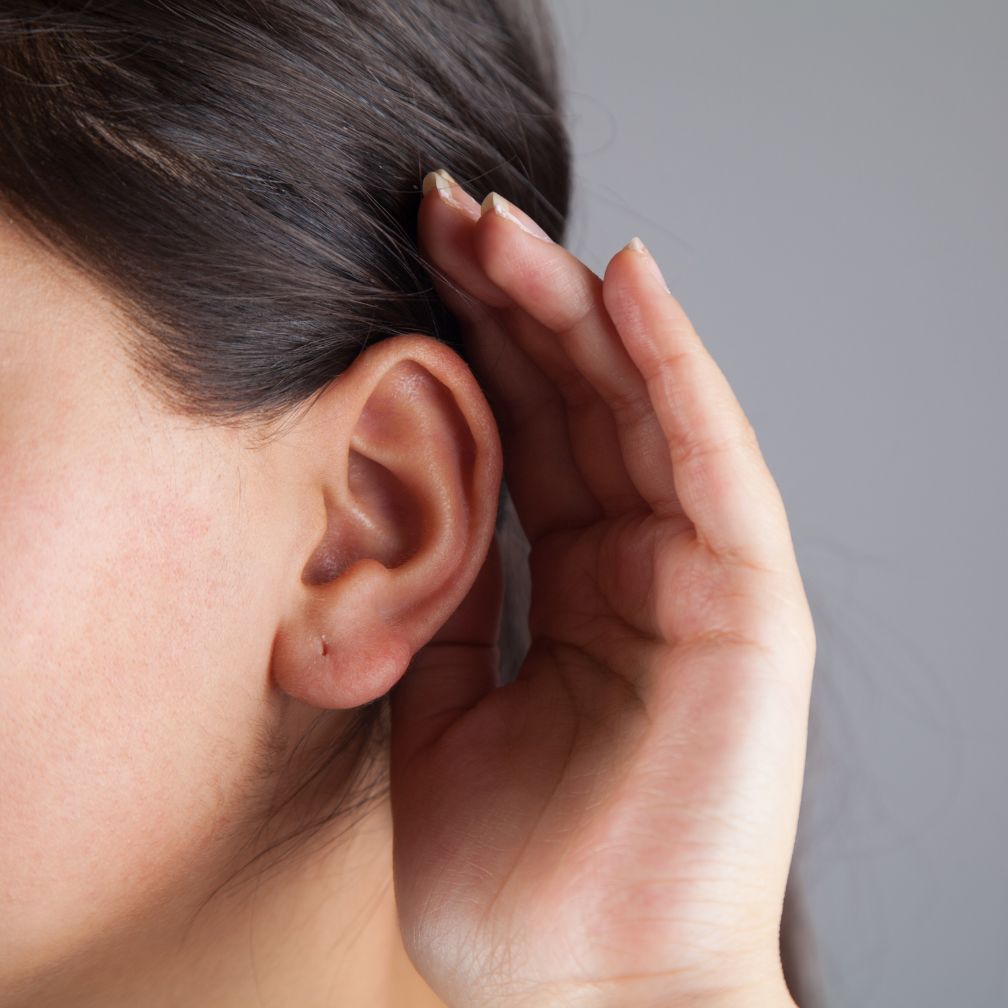
Have you ever noticed a strange sound in your ears that no one else can hear? It may feel like a layer of static, a soft rushing wind, buzzing, humming, or a high-pitched tone that follows you throughout the day.
This experience is real and medically recognized. When you hear a sound without an external source, it is often associated with tinnitus—a common auditory condition affecting millions of people worldwide.
According to the American Tinnitus Association, an estimated 25 million adults in the United States experience tinnitus, while approximately 5 million people struggle with burdensome symptoms that interfere with daily life.
Although tinnitus can be frustrating, it does not mean your ears have stopped working. Many people with tinnitus can still hear conversations and environmental sounds normally. Instead, the brain is interpreting an internal signal that creates the perception of sound.
Understanding Why You Hear Internal Static or White Noise
Tinnitus occurs when the auditory system generates the perception of sound without an outside source. The condition involves communication between the ear, auditory nerve, and brain.
Many cases of tinnitus are associated with changes in hearing, especially damage to the delicate sensory cells inside the cochlea. These tiny structures, called hair cells, help convert sound vibrations into electrical signals that the brain understands.
Unlike many tissues in the body, damaged cochlear hair cells do not naturally regenerate. This is why protecting your ears from excessive noise exposure is one of the most important steps for preventing hearing-related problems.
Why Tinnitus Often Feels Worse in Quiet Environments
Many people notice that their tinnitus becomes more noticeable at night or in extremely quiet rooms. This does not necessarily mean the condition is getting worse—it often happens because there are fewer outside sounds competing for your attention.
During busy daytime activities, conversations, music, and environmental sounds can naturally mask tinnitus. When those sounds disappear, the brain may focus more heavily on the internal noise.
This is why some people find relief by adding gentle background sounds while sleeping, such as:
- White noise machines.
- Nature sounds.
- Quiet music.
- Fans or soft environmental sounds.
Different Types of Sounds Associated With Tinnitus
Tinnitus does not sound the same for everyone. People describe it in many different ways, including:
- Ringing.
- Buzzing.
- Hissing.
- Static or television-like noise.
- Whistling.
- Low-frequency humming.
- Clicking or pulsing sounds.
Because tinnitus is usually experienced only by the person who has it, healthcare providers rely on your description of the sound, your hearing history, and diagnostic testing to understand your symptoms.
When a Rushing or Pulsing Sound May Be Different
If the sound in your ear matches the rhythm of your heartbeat, you may be experiencing pulsatile tinnitus.
Pulsatile tinnitus is different from typical tinnitus because it often involves changes in blood flow or pressure near the ear. While many causes are treatable, it is important to have this symptom evaluated by a healthcare professional, especially if it appears suddenly or affects only one ear.
Common Causes and Risk Factors for Tinnitus
Tinnitus can develop for many reasons. Some of the most common contributors include:
Loud Noise Exposure
Repeated exposure to loud sounds is one of the leading causes of tinnitus and hearing damage.
- Concerts and live music.
- Construction equipment.
- Factory machinery.
- Firearms.
- Motorcycles and recreational vehicles.
According to the National Institute for Occupational Safety and Health (NIOSH), prolonged exposure to sounds above 85 decibels (dB) can increase the risk of permanent hearing damage.
Age-Related Hearing Changes
As people age, changes in the inner ear can affect hearing sensitivity and increase the likelihood of tinnitus. Hearing loss is especially common among older adults, making regular hearing evaluations important.
Earwax Blockage
Excessive earwax buildup can block sound transmission and sometimes create ringing, buzzing, or fullness sensations. Professional removal may relieve symptoms when wax is the cause.
Medications
Some medications may contribute to tinnitus symptoms. These can include certain antibiotics, chemotherapy medications, diuretics, and high doses of some pain relievers. Always discuss medication concerns with your healthcare provider before making changes.
Stress and Mental Health
Stress, anxiety, and poor sleep do not necessarily cause tinnitus, but they can make symptoms feel more noticeable. Many people experience a cycle where tinnitus increases stress, and stress increases awareness of tinnitus.
Can Tinnitus Be Treated?
There is currently no universal cure for tinnitus, but many treatments can reduce its impact and make symptoms easier to manage.
Hearing Aids
For individuals with hearing loss and tinnitus, hearing aids may provide significant relief by improving access to external sounds and reducing the contrast between tinnitus and silence.
Many modern hearing devices also include tinnitus management features, such as customized sound therapy options.
Sound Therapy
Sound therapy uses external sounds to reduce the perception of tinnitus. Options may include:
- White noise.
- Nature sounds.
- Customized sound programs.
- Environmental sound enrichment.
Cognitive Behavioral Therapy (CBT)
CBT can help individuals change their emotional response to tinnitus. Research shows that reducing stress and changing negative thought patterns can improve quality of life for many people living with persistent tinnitus.
Relaxation and Stress Management
Activities such as meditation, breathing exercises, yoga, and regular physical activity may help reduce the stress associated with tinnitus.
When Should You See a Hearing Specialist?
Schedule a hearing evaluation if you experience:
- Tinnitus lasting more than a few days or weeks.
- Sudden hearing changes.
- Tinnitus in only one ear.
- Pulsing sounds that match your heartbeat.
- Dizziness or balance problems.
- Difficulty understanding conversations.
Finding Relief From Persistent Ear Noise
Constant ear noise can be distracting and frustrating, but you do not have to manage it alone. A comprehensive hearing evaluation can help determine whether tinnitus is related to hearing loss, ear conditions, medications, or other factors.
With today’s advanced hearing technology and personalized treatment approaches, many people can reduce the impact of tinnitus and return their focus to the sounds and activities that matter most.
Medical Disclaimer: This content is intended for educational and informational purposes only and does not constitute medical advice. Schedule an appointment with a qualified hearing professional or healthcare provider for personalized evaluation and treatment recommendations.