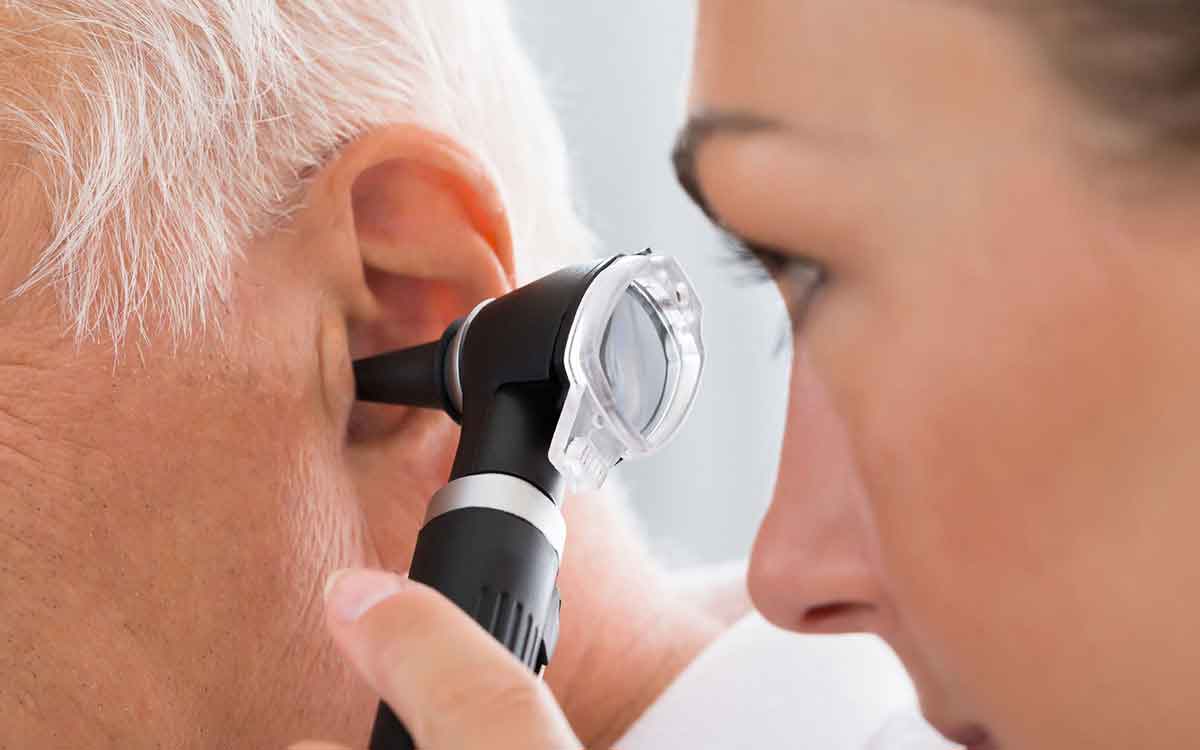
Hearing loss often happens gradually, rendering it difficult to detect during the preliminary stages. Subconscious adjustments, such as elevating the phone volume or asking for clarification, often mask the early progression of hearing loss.
However, acknowledging the early symptoms of hearing decline remains critical for long-term health.
Frequent Indicators of Initial Auditory Decline
If you observe any of the listed clinical signs, it is recommended to have your hearing checked.
- Difficulty understanding conversations, particularly in loud areas with significant background noise.
- Frequently asking people to clarify their statements.
- Muffled or unclear speech, making it difficult to distinguish specific sounds.
- Setting increased decibel settings for media beyond the comfort of family members.
- Trouble hearing higher-pitched sounds, such as high-frequency vocalizations, birds, or doorbells.
- Auditory sensations such as ringing, buzzing, or humming, clinically termed tinnitus.
- Feeling mentally exhausted after conversations, due to the strain of auditory processing.
- Retreating from group interactions as conversational tracking becomes difficult.
Preliminary indicators of auditory decline might manifest in unilateral or bilateral patterns and vary in frequency initially. Since the auditory cortex adjusts to input shifts, subconscious adjustments often go unnoticed until clinical hearing loss is substantial.
Hearing Loss By The Numbers
The World Health Organization reports that hearing rehabilitation requirements will impact 700 million people by 2050. Other significant statistics involve:
- By 2050, nearly 2.5 billion people are expected to have some degree of hearing loss.
- Over 5% of the world’s population (430 million people) necessitates rehabilitation to address significant hearing loss.
- In excess of 1 billion young adults face the threat of permanent hearing loss due to hazardous acoustic habits.
- Among those over the age of sixty, over 25% have clinically significant hearing loss.
The Critical Importance of Early Identification
Neglecting hearing changes may lead to broader physiological impacts that go unnoticed.
Research has linked hearing loss with higher incidences of withdrawal, mental health challenges, cognitive decline, and equilibrium problems.
Managing symptoms at the onset allows for a broader range of interventions and improved clinical results.
A clinical screening identifies if hearing fluctuations are caused by aging, earwax impaction, or different medical factors.
Under certain conditions, hearing changes are temporary and treatable.
In others, timely adoption of hearing aid technology or preventative measures can slow progression.
When to See a Hearing Specialist
Professional consultation is suggested if you observe:
- Symptoms last longer than a brief period.
- Auditory trouble begins to influence professional tasks or daily activities.
- You experience acute auditory decline, vertigo, or chronic ear ringing (which requires immediate attention).
Assessments for hearing are comfortable and safe, yielding deep insights into your ear health.
Please contact our audiology team if you are interested in scheduling a baseline hearing evaluation.
FAQ: Early Signs of Hearing Loss
Q: Are all auditory changes linked to getting older?
A: No. While age-related hearing loss is common, hearing changes can also result from noise exposure, medications, infections, genetics, or underlying medical conditions.
Q: Can auditory impairment be clinically reversed?
Answer: Specific causes, including earwax blockage, may be susceptible to reversal through treatment. Permanent sensorineural hearing loss is typically managed using advanced hearing devices and management protocols.
Question: What is the recommended frequency for hearing screenings?
Answer: Clinical guidelines suggest a baseline evaluation by the age of 50, or earlier if symptoms of hearing loss are noticed.