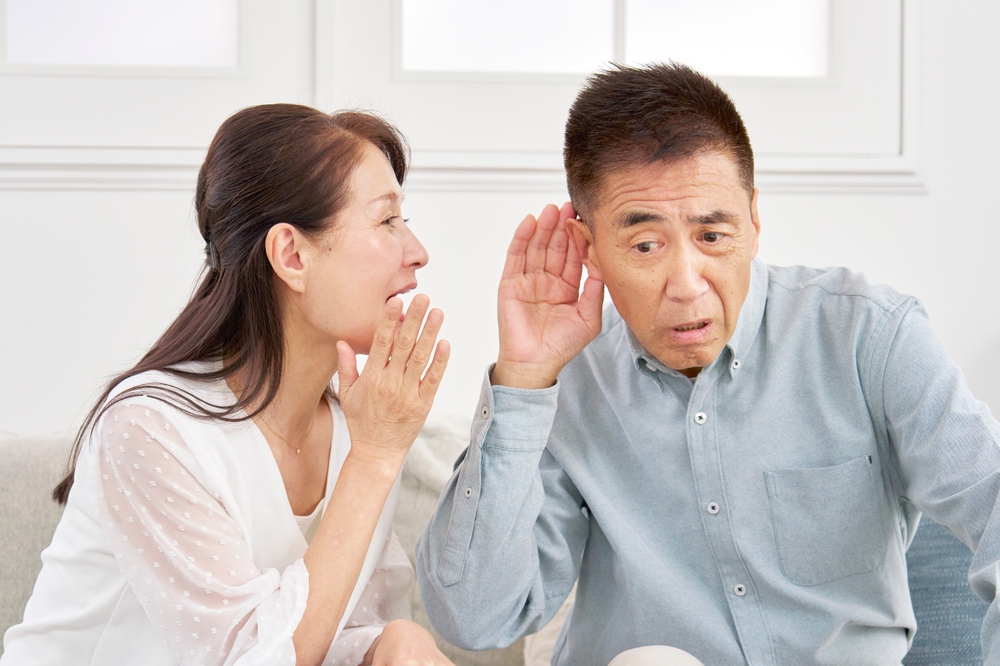
Hearing loss is more common than most of us might realize, but misinformation continues to prevent many people from seeking proper care. Proactive management of hearing loss ensures the best possible outcomes for auditory preservation. Believing common hearing loss myths can delay diagnosis, impact communication, and reduce your overall quality of life.
If you have concerns about your hearing, knowing the truth (and the myths!) can help you make informed decisions about your health and proceed with greater confidence. Let us explore seven widespread myths about hearing and the medical facts that provide clarity.
Myth: Hearing Impairment is Solely a Condition of Aging
While sensory shifts are frequent in seniors, hearing loss remains a cross-generational health concern. Auditory challenges in children and young adults often stem from noise pollution, heredity, or pharmaceutical side effects.
Labeling hearing loss as a senior-only problem often causes younger patients to overlook critical early warning signs.
Myth: Hearing Perception Rules Out Impairment
An individual can suffer from hearing loss without experiencing a complete loss of sound. Patients with mid-range impairment often perceive environmental noise while losing the ability to decode complex speech. A broad range of auditory dysfunctions exists between asymptomatic hearing and complete deafness.
Early symptoms frequently manifest as “cocktail party effect” struggles or a need for constant clarification from speakers. These are common early signs of hearing changes that should not be ignored.
Hearing Impairment: More Than a Social Nuisance
The impact of aural decline reaches into the cognitive and emotional well-being of the patient. Clinical studies associate untreated impairment with isolation, elevated cortisol levels, and accelerated cognitive decline.
Addressing hearing concerns early helps protect not only your ability to communicate, but also your overall well-being.
4. Myth: Hearing Aids Make Your Hearing Worse
There is no clinical evidence to suggest that proper use of hearing aids speeds up auditory decline.
When fitted correctly, hearing aids are safe tools for auditory rehabilitation. Instead, they amplify sounds based on your hearing test results. Consistent use of hearing aids maintains the neural pathways required for clear sound interpretation.
5. Myth: Hearing Aids Are Large and Obvious
Recent innovations in hearing science have prioritized both power and miniaturization. Contemporary hearing aids deliver elite processing power within incredibly discreet housings. Many hearing aids are nearly invisible when worn and can be customized to fit comfortably inside or behind the ear.
Modern tech includes advanced directional microphones and wireless streaming directly to the patient’s ears.
Myth: Small Hearing Changes Don’t Warrant Clinical Action
Don’t underestimate “slight” hearing changes; they still disrupt the natural flow of information to the brain. Early treatment helps prevent listening fatigue and reduces the strain placed on the brain during conversations.
Maintaining communicative fluency is far easier when you address auditory shifts in their infancy.
7. Myth: Over-the-Counter Solutions Are Always Enough
Store-bought devices provide “blanket” amplification rather than the targeted help your ears likely need. Only a formal assessment can provide the data needed to create a truly effective and personalized treatment plan.
The difference between “generic” and “custom” is measured in both physical comfort and speech understanding.
Taking Control: Overcoming Misinformation for Better Hearing
Any change in hearing can feel scary, which is why many people brush it off and delay seeking care. Accepting myths as truth leads to a longer road to recovery and more significant brain strain. The good news is that hearing evaluations are simple, painless, and highly informative.
Should you perceive even minor shifts in your auditory acuity, a baseline exam is your most critical move. Early intervention can improve not only communication, but also overall quality of life.
For more information or to book your next hearing test, please contact our clinic today. Reach out to our care team now to begin your journey toward better hearing.