Auditory obstruction can be unsettling, often making you feel isolated from the world around you. While the fear of permanent hearing damage is a common first response, the actual source is frequently a simple accumulation of earwax.
Recognizing how to tell these two conditions apart ensures you obtain the appropriate care, whether that is professional wax removal or a diagnostic hearing test. Try not to fret if your hearing feels abruptly reduced. An exam can help you get to the bottom of it, but in the interim, here’s what you need to know about canal blockage (also known as cerumen impaction) vs. hearing loss.
Recognizing Cerumen Blockage Symptoms
Cerumen is actually a beneficial, natural substance intended to protect the ear canal from particles and foreign debris. Medical issues only manifest when the wax fails to move out of the ear, leading to a substantial accumulation or blockage.
Common signs of earwax buildup consist of:
- Dampened sound clarity that occurs gradually or suddenly
- A sensation of ear pressure or a “clogged” feeling
- Localized sensitivity or focused pain in the ear
- Localized tinnitus within the impacted ear
- Sound sharpness that shifts or improves momentarily with chewing
Earwax-related hearing problems are often asymmetrical, impacting one ear rather than the other. Fortunately, extracting the obstruction generally resolves the signs instantly.
What Hearing Loss Feels Like
Lasting hearing shifts, often triggered by age or noise exposure, are progressive and remain even if the ear is completely clear.
Symptoms of actual hearing loss may feature:
- Challenges with word clarity in crowded or loud locations
- Frequently requesting people to repeat themselves
- Setting media levels to a level that people find uncomfortable
- Trouble hearing high-pitched tones
- Hearing uniformly reduced on both sides
Contrasted with earwax buildup, auditory impairment doesn’t typically cause a sensation of obstruction or pressure.
Contrasting Cerumen Blockage and Auditory Loss
By analyzing the timing and particular symptoms, you can often determine which issue is affecting you:
- Timing: Blockages can feel sudden, while auditory decline is almost always slow
- Resolution: Cerumen hearing changes are typically temporary; hearing loss is frequently irreversible
- Sensations: Fullness and discomfort indicate wax; speech clarity issues indicate loss
- Sides: One-sided dull sound points to wax, while bilateral suggests hearing loss
Why Clinical Intervention is Crucial
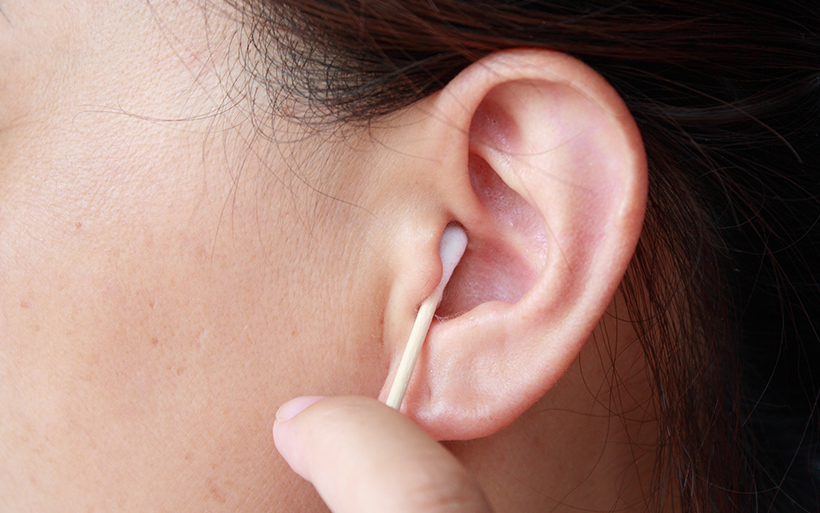
You may feel compelled to assume earwax is the cause — and grab for cotton swabs or over-the-counter treatments. Using external items typically pushes the obstruction deeper into the canal, heightening the danger of trauma.
Based on data from the NLM, inserting items into the auditory canal increases the risk of impaction and trauma.
On the other hand, presuming a problem is just wax when it is truly auditory impairment can prevent you from getting the help you require to stay engaged.
Ways a Professional Evaluation Helps
A specialist can use an earlight to instantly see if a mechanical blockage is visible.
When cerumen is the cause, clinical flushing or clinical clearance delivers instant relief.
When the canal is unobstructed but sound is still muted, a clinical test is necessary to evaluate your hearing health.
The National Institute on Deafness and Other Communication Disorders (NIDCD) advises prompt assessment anytime changes in auditory function interfere with your daily life.
Closing Points on Earwax and Hearing Wellness
Feeling as if sounds are dull may not necessarily signify a permanent change.
In many instances, earwax buildup is the source, and it’s extremely treatable.
Obtaining professional care ensures you find the specific source and the right solution for your hearing needs.
Keep in mind that home assessment is hardly a substitute for a professional check-up when it pertains to your auditory health.
Treating the issue immediately stops the anxiety of the uncertainty and puts you on the track to better hearing.
If your auditory sense seems diminished, don’t guess. A quick check can make all the difference, so contact our team of specialists today.