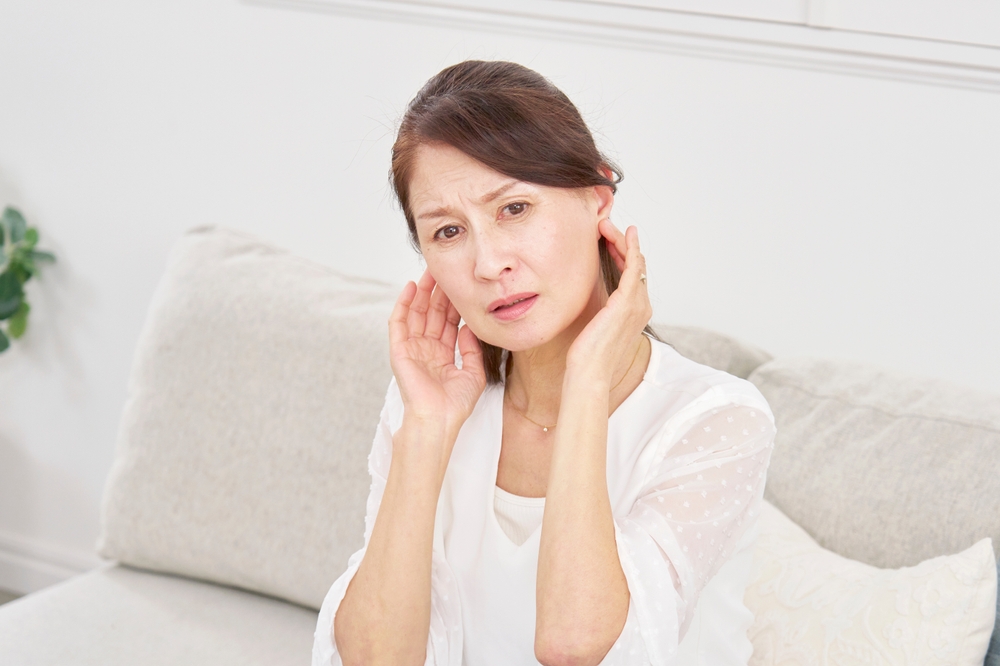
Beginning your morning only to find your hearing has disappeared creates an instant sense of panic. When hearing diminishes without a distinct trigger or preliminary alert, the ensuing disorientation is significant. Several underlying issues can be transient, yet many forms of sudden loss require an immediate response.
Analyzing the typical reasons behind sudden deafness and identifying the right time for help is vital for your long-term health. The following guide explores the science of swift hearing changes, potential triggers, and the necessity of expert clinical care.
What Is Sudden Hearing Loss?
We define sudden hearing loss as a distinct drop in hearing sensitivity that typically manifests within a seventy-two-hour window. It may impact one ear or, less frequently, both. Some people notice muffled sound, while others experience a ringing sensation known as tinnitus, fullness in the ear, or difficulty understanding speech.
Sudden Sensorineural Hearing Loss (SSHL)
Among all triggers, Sudden Sensorineural Hearing Loss demands the most immediate clinical assessment.
This auditory issue arises from dysfunction within the inner ear, the auditory nerve, or the brain’s processing centers. Though an exact etiology is often unknown, several factors are commonly identified as potential drivers:
- Decreased blood flow within the cochlea
- Internal inflammation and abnormal immune system activity
- Underlying viral triggers affecting the ear
- Central nervous system irregularities
Since the window for effective treatment is so narrow, SSHL is handled as an urgent crisis where early care dictates the outcome.
Viruses and Inner Ear Health
Certain viral infections can either briefly or lastingly affect hearing by inflaming the inner ear or auditory nerve.
Viruses associated with abrupt auditory shifts include:
- Viral cold and nasal infections
- Influenza
- Neural infections
- Post-COVID viral effects
Patients might notice hearing shifts as a virus resolves, often paired with a sense of imbalance or pressure.
Hearing Loss Resulting from Physical Injury
Traumatic events such as concussions, barotrauma, or intense noise exposure can compromise the ear’s fragile anatomy.
Physiological damage from injury often stems from:
- Severe head strikes and concussive events
- Rapid fluctuations in atmospheric pressure
- Sudden blasts of loud noise
- Cochlear fluid disruption
Minor impacts can still compromise auditory function, particularly if shifts manifest immediately following the event.
Impacted Cerumen and Hearing Blockage
While less serious than inner ear causes, impacted earwax can still cause abrupt hearing changes.
Earwax-related hearing loss may:
- Manifest with speed
- Sensation of fullness or pressure
- Primarily impact one ear
- Subside once the canal is properly cleared
It is vital to remember that home evaluation is inadequate for determining the true source of sudden deafness. Therefore, seeking a professional clinical opinion is the only safe course of action.
Less Common Drivers of Sudden Hearing Impairment
Additional contributors to sudden hearing loss may include:
- Secondary reactions to ototoxic medications
- Circulatory system disruptions
- Systemic autoimmune attacks on the inner ear
- Rare growths on the hearing nerve
A thorough diagnostic battery is essential to eliminate these more complex causes.
The Time-Sensitive Nature of Treating Hearing Loss
One of the most important messages around sudden hearing loss is don’t wait and see.
Seeking a swift clinical assessment allows you to:
- Uncover reversible causes
- Increase the likelihood that treatment will restore hearing
- Protect against lasting damage to the auditory nerve
- Minimize the impact on your future ability to communicate
Detailed hearing tests are the primary tool for categorizing the impairment and establishing a recovery plan.
When to Seek Immediate Help for Sudden Hearing Loss
Do not delay seeking a professional if you encounter any of these sudden changes:
- A rapid drop in auditory clarity in one or both sides
- Hearing impairment coinciding with balance instability
- Ringing or pressure that appears suddenly
- Auditory decline following a viral infection or physical trauma
Though hearing returns partially, evaluation is still important to find out what’s going on.
How Hearing Tests Provide Immediate Solutions
A professional test provides an immediate answer as to if the impairment is:
- Conductive in nature, often caused by physical obstructions
- Nerve-based or related to inner ear damage
- Temporary or potentially permanent
Swift testing is the foundation for timely medical action and superior long-term results.
Take Sudden Hearing Changes Seriously
Sudden hearing loss is bound to feel alarming, but the sooner you seek care, the more options you may have to address it.
Choosing to get evaluated immediately after a change in hearing ensures you are taking the right steps for your health. We’re here for you if you experience sudden hearing loss: Call our care team as soon as possible at our office for the help you need.