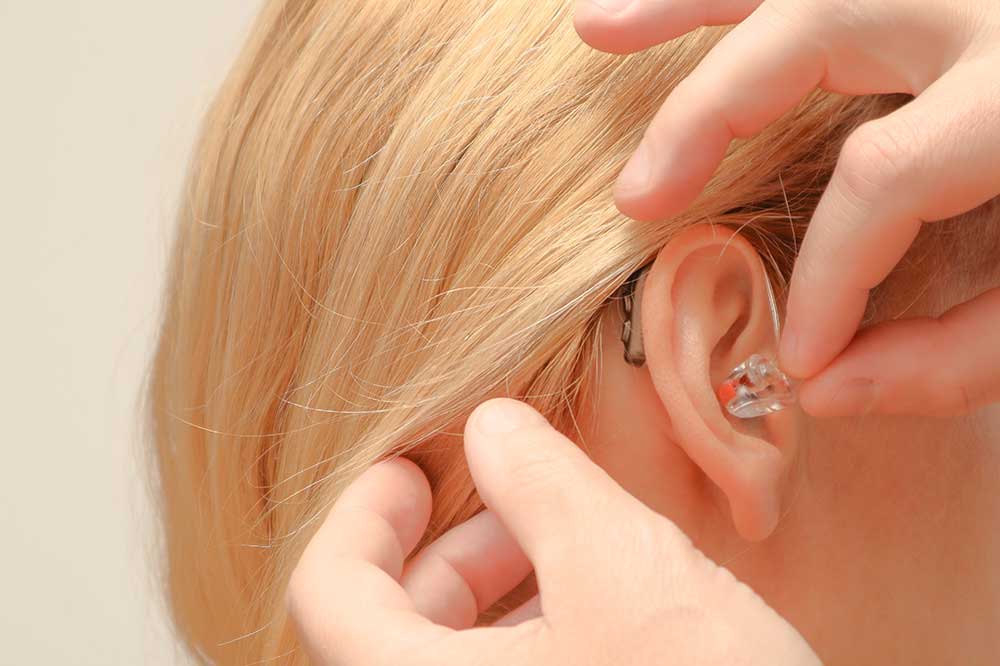
Ask a few friends about hearing aids and you’ll likely hear two opposite worries: that they can halt hearing loss for good, or that they’ll slowly make it worse. Neither is quite right. At The Hearing Place in Calgary’s Northland Centre, audiologists Erin (Carter) Davis, M.Sc., R.Aud, Au.D., and Josie Andres, M.Cl.Sc., R.Aud., evaluate your hearing, explain what’s behind the changes you notice, and walk you through what hearing aids can and cannot do. Hearing aids can’t reverse hearing loss, but they can amplify sound so you hear more clearly.
Why Does Damage From Hearing Loss Usually Last a Lifetime?
Damage from hearing loss usually lasts a lifetime because most hearing loss develops when tiny hair cells in the inner ear become damaged or are lost, and these cells do not regenerate. Hearing aids cannot repair that damage, but they can make sounds easier to hear and help you communicate more comfortably.
Sound travels through the outer and middle ear to the cochlea, a snail-shaped structure in the inner ear. Thousands of hair cells inside the cochlea convert sound vibrations into electrical signals, which travel along the auditory nerve to the brain.
Hair cells can be damaged by:
- Natural aging
- Exposure to loud noise over time or from a single loud event
- Genetic factors
Some hearing problems, such as earwax blockage or certain middle ear conditions, may be treatable. A hearing test identifies the type and degree of hearing loss so you can explore the most appropriate options.
Can Wearing Hearing Aids Slow the Progress of Hearing Loss?
Wearing hearing aids generally does not prevent or slow the physical progression of hearing loss. However, it may help preserve the brain’s ability to understand speech by keeping the auditory system active and engaged.
When hearing loss goes untreated, the brain receives less sound information over time. This reduced stimulation, known as auditory deprivation, can make the brain areas responsible for processing sound less active. As a result, speech may grow increasingly difficult to understand, even once you begin wearing hearing aids.
Consistently wearing properly fitted hearing aids provides the brain with the regular sound input it needs to process. This helps maintain speech understanding, which is often more important than simply making sounds louder. Because many people wait years after noticing hearing difficulties to seek care, an earlier evaluation can make a meaningful difference.
How Do Hearing Aids Make Speech Easier to Follow?
Hearing aids make speech easier to follow by amplifying the specific frequencies you have trouble hearing. Rather than making every sound louder, modern digital hearing aids are programmed to match your hearing loss, listening needs, and surroundings.
Many speech sounds, particularly consonants such as “s,” “f,” and “th,” fall in higher frequencies that are often the first affected by hearing loss. When these sounds are difficult to hear, words can blend together or seem mumbled. By restoring access to these sounds, hearing aids help make speech clearer and easier to follow.
Many devices also include features designed to support communication, such as:
- Noise reduction to help in busy environments
- Speech enhancement to emphasize voices
- Feedback suppression to reduce whistling
- Automatic adjustments as listening environments change
Hearing aids cannot eliminate all background noise, and some hearing difficulty may remain. Adjusting to amplified sound also takes time. Wearing your hearing aids consistently and sharing feedback with your audiologist helps you get the most benefit from your devices.
Is It the Hearing Aids if Your Hearing Seems to Worsen?
If your hearing seems to worsen while you wear properly fitted hearing aids, the change is most likely due to the natural progression of hearing loss rather than the devices themselves. Correctly fitted and programmed hearing aids are designed to support hearing, not damage it.
Some people notice that sounds seem quieter or more distant when they take their hearing aids out. This happens because the brain becomes accustomed to clearer, amplified sound. It does not necessarily mean hearing has worsened, but any noticeable change should be evaluated.
Hearing aids include maximum output limits to keep amplification safe. Problems may occur when devices are too loud, poorly programmed, or not designed for your hearing loss. You should never wear hearing aids that belong to someone else. Distorted, uncomfortable, or overly loud sounds may indicate a need for adjustment.
Book a follow-up appointment if you notice:
- More difficulty understanding conversations
- Sounds that seem distorted or uncomfortable
- Frequent volume increases to hear clearly
- Changes in hearing in one ear
An updated hearing test can confirm whether your hearing has changed. In many cases, Erin Davis or Josie Andres can reprogram your existing hearing aids to meet your new hearing needs.
How Do Our Audiologists Help You Pick the Right Hearing Aid?
Our audiologists help you pick the right hearing aid by evaluating your hearing, discussing your communication needs and lifestyle, recommending suitable devices, and programming them for your specific hearing loss.
The process starts with a comprehensive hearing evaluation to determine the type and degree of hearing loss. From there, the conversation may cover where you have the most difficulty hearing, how active your lifestyle is, and which features may be most useful.
Hearing aids vary in size, style, features, and price, including behind-the-ear, in-the-ear, and in-the-canal hearing aid types. Erin Davis and Josie Andres can explain each option and help you choose a device that fits your hearing needs, comfort, and budget.
Arrange a Hearing Aid Consultation at The Hearing Place in Calgary
When conversations take more effort than they used to, a visit with Erin Davis, Au.D., or Josie Andres, R.Aud., can bring some clarity. A hearing evaluation shows what is causing your hearing difficulties and whether hearing aids or other treatment options are right for you.
Call 403-454-3669 or contact The Hearing Place to schedule an appointment at our Northland Centre clinic in NW Calgary.